Oral cancer is one of the most common cancers in India, accounting for a significant portion of cancer cases each year. Unlike many other cancers, oral cancer is largely preventable when risk factors are controlled and early screening is practiced regularly. Awareness, lifestyle changes, and timely medical consultation can dramatically reduce the risk and improve survival rates.
Understanding Oral Cancer
Oral cancer includes cancers of the lips, tongue, cheeks, floor of the mouth, gums, and palate. It often begins as a small ulcer, white patch, or red lesion that does not heal. Unfortunately, many patients in India seek treatment at advanced stages due to lack of awareness and delayed diagnosis.
Early detection can increase survival rates to over 80–90%, making prevention and screening extremely important.
Major Risk Factors for Oral Cancer in India
1. Tobacco Use
The leading cause of oral cancer in India is tobacco in all forms:
- Cigarettes and bidis
- Gutkha, khaini, mawa
- Pan with tobacco
Smokeless tobacco is especially dangerous and directly affects the mouth lining.
2. Alcohol Consumption
Regular alcohol intake increases oral cancer risk, especially when combined with tobacco use.
3. Areca Nut (Supari)
Widely consumed in India, areca nut significantly increases the risk of oral submucous fibrosis, a precancerous condition.
4. Poor Oral Hygiene
Chronic dental infections, sharp teeth, and ill-fitting dentures can irritate the oral mucosa and raise cancer risk.
5. HPV Infection
Human Papillomavirus (HPV), particularly HPV-16, is increasingly linked to oral and throat cancers.
6. Nutritional Deficiency
Low intake of fruits, vegetables, and antioxidants weakens immunity and increases cancer susceptibility.
Early Warning Signs You Should Never Ignore
- Mouth ulcer not healing for more than 2 weeks
- White or red patches in the mouth
- Persistent mouth pain or burning sensation
- Difficulty chewing or swallowing
- Lump in the neck or jaw
- Change in voice or numbness in the mouth
Any of these symptoms require immediate evaluation by a head and neck cancer specialist.
Importance of Oral Cancer Screening
Regular oral screening is painless, quick, and life-saving.
Who should get screened?
- Tobacco or alcohol users
- Individuals above 40 years
- People with persistent mouth ulcers
- Those with family history of cancer
Screening includes:
- Visual oral examination
- Palpation of neck lymph nodes
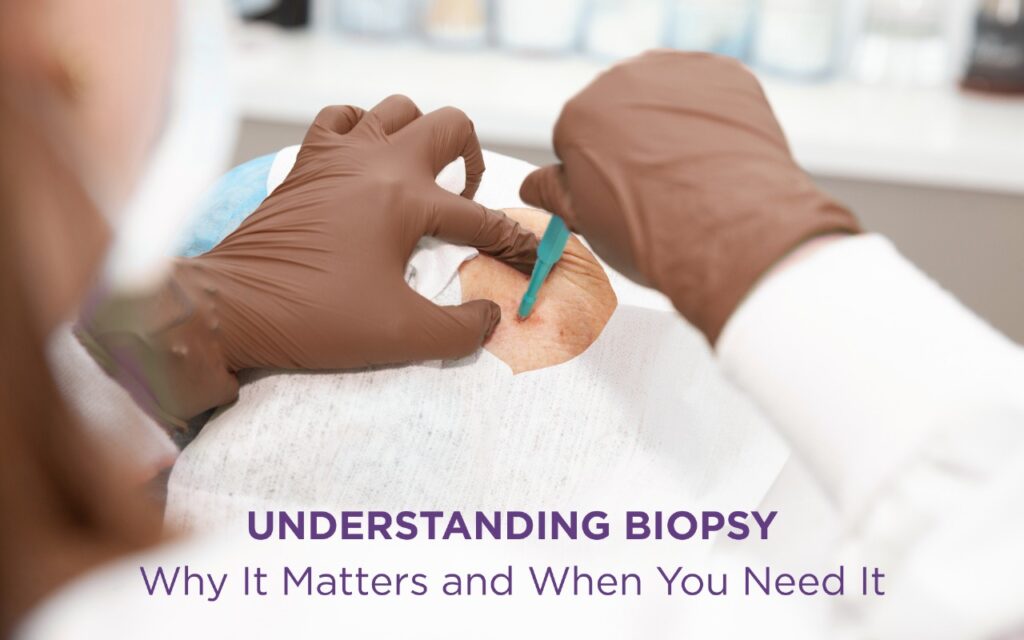
- Biopsy if suspicious lesions are found
Annual screening is strongly recommended for high-risk individuals.
Lifestyle Tips to Prevent Oral Cancer
✅ Quit Tobacco Completely
There is no safe form of tobacco. Quitting reduces cancer risk significantly within a few years.
✅ Limit Alcohol Consumption
Avoid daily alcohol intake and never combine it with tobacco.
✅ Maintain Excellent Oral Hygiene
- Brush twice daily
- Regular dental check-ups
- Fix broken teeth and dentures
✅ Eat a Healthy Diet
Include:
- Green leafy vegetables
- Fresh fruits
- Vitamin A, C, and E rich foods
✅ Stay Hydrated
Adequate water intake helps maintain healthy oral tissues.
✅ Regular Medical Check-Ups
Early detection saves lives — routine screening is crucial.
When to Consult a Specialist
If you notice any persistent oral lesion or discomfort, consult a head and neck cancer surgeon immediately. Early evaluation prevents minor lesions from turning into life-threatening cancers.
Conclusion
Oral cancer is largely preventable with the right lifestyle choices, early screening, and timely medical care. Avoiding tobacco, maintaining good oral hygiene, eating a balanced diet, and consulting a specialist at the first sign of symptoms can significantly reduce risk and improve treatment outcomes.
Dr. Reena Yadav, a highly experienced Oral & Maxillofacial Surgeon and Head & Neck Cancer Specialist, provides advanced diagnosis and surgical care for oral and mouth cancer patients in Mumbai. At maxfaxdrreena.com, patients receive personalized treatment plans, modern surgical techniques, and compassionate care focused on early detection, effective treatment, and long-term recovery.
Early consultation can make all the difference — timely care saves lives