
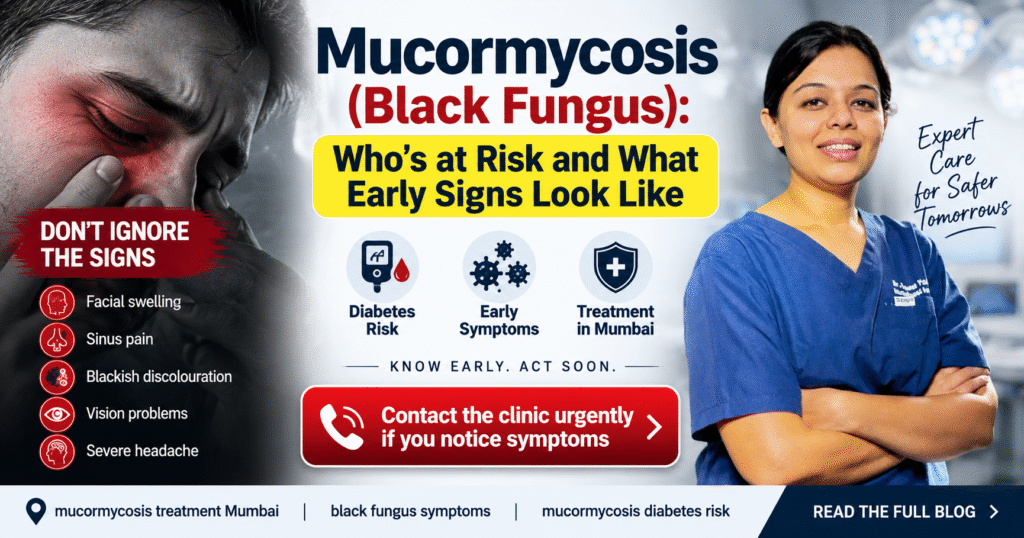
Mucormycosis (Black Fungus): Who’s at Risk and What Early Signs Look Like
Why this matters: Mucormycosis made national headlines during India’s COVID-19 second wave, but it hasn’t disappeared — it remains a

Why this matters: Mucormycosis made national headlines during India’s COVID-19 second wave, but it hasn’t disappeared — it remains a
Why this matters: Few conditions are mistaken for each other as often — or as consequentially — as trigeminal neuralgia
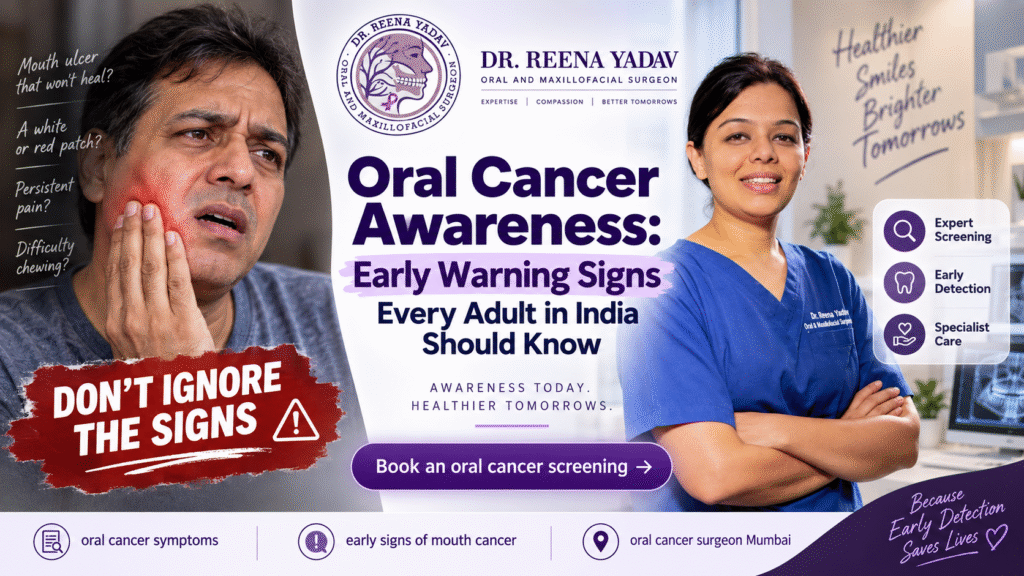
Why this matters: India accounts for nearly one-third of the world’s oral cancer cases — one of the highest burdens

Losing a tooth—whether from decay, trauma, or extraction—leaves more than a gap in your smile. It can affect chewing, speech,
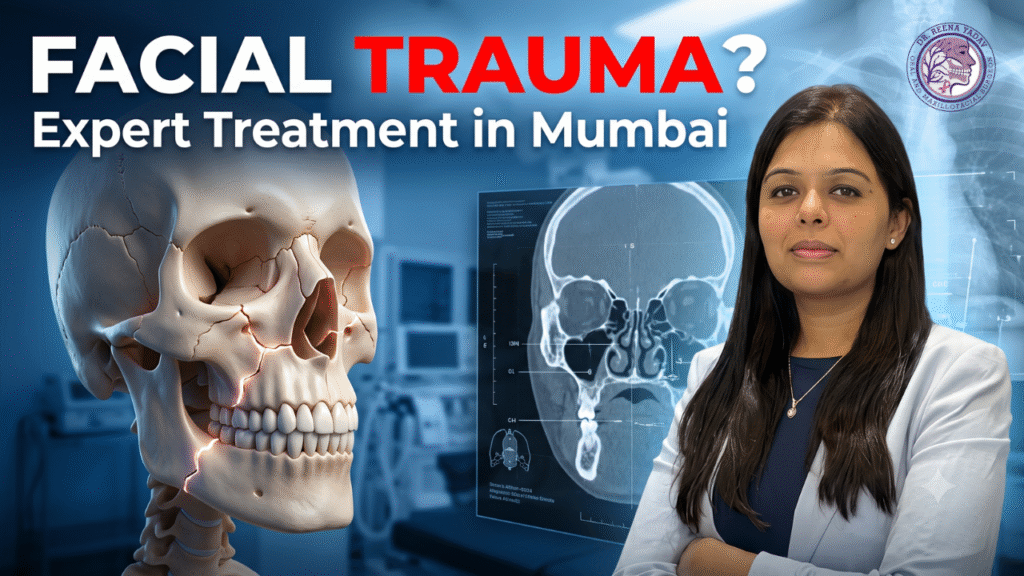
Facial injuries are among the most physically and emotionally impactful injuries a person can experience. They affect not just your appearance but your ability to eat, breathe, speak, and see.
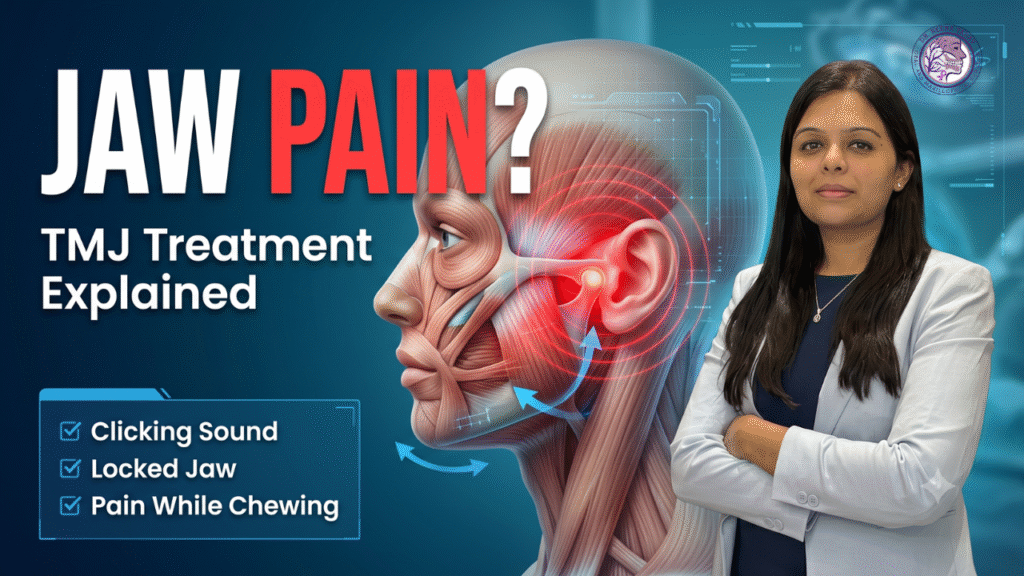
If you wake up with jaw pain, experience a clicking or popping sound when you chew, or find it difficult to open your mouth fully — you may be dealing with a temporomandibular joint (TMJ) disorder. TMJ problems are more common than most people realise, yet they are frequently misdiagnosed as dental pain or tension headaches.
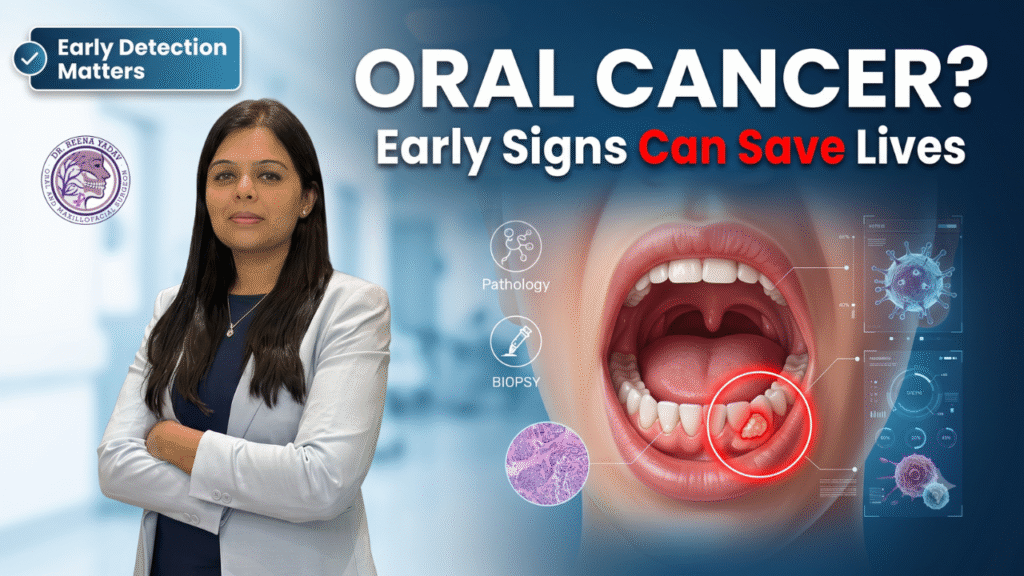
Oral cancer is among the most prevalent cancers in India, accounting for a disproportionately high number of cases globally — largely due to tobacco and betel nut use. Yet it remains one of the most treatable cancers when caught early. This guide explains what oral cancer is, how it is diagnosed, and what modern surgical treatment involves.
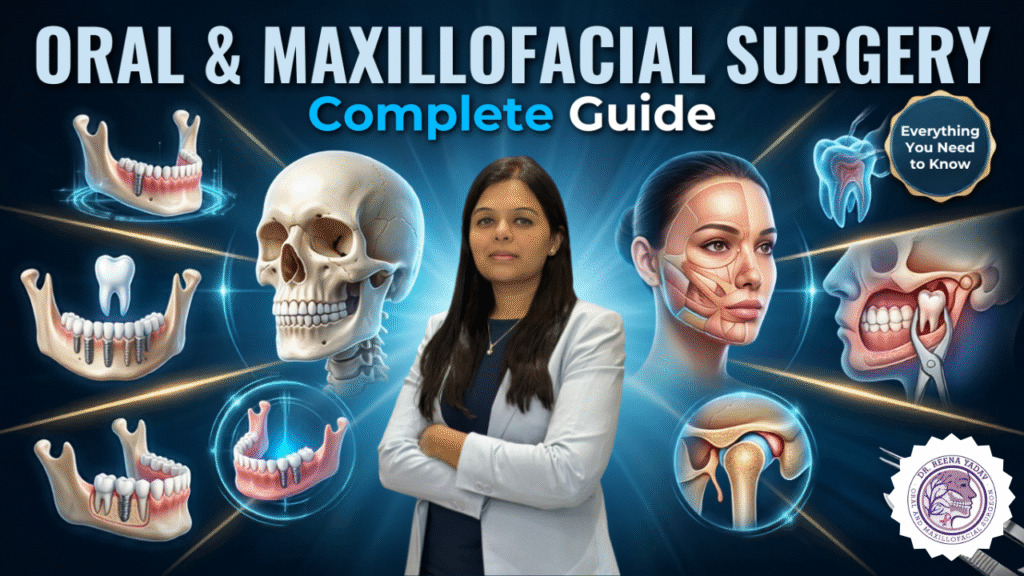
If you or someone you love has been referred to an oral and maxillofacial surgeon — or if you’re researching facial pain, jaw problems, oral cancer, or facial injuries — this guide is for you. Oral and Maxillofacial Surgery (OMS) is one of the most specialized fields in medicine, sitting at the intersection of dentistry, surgery, and facial medicine.
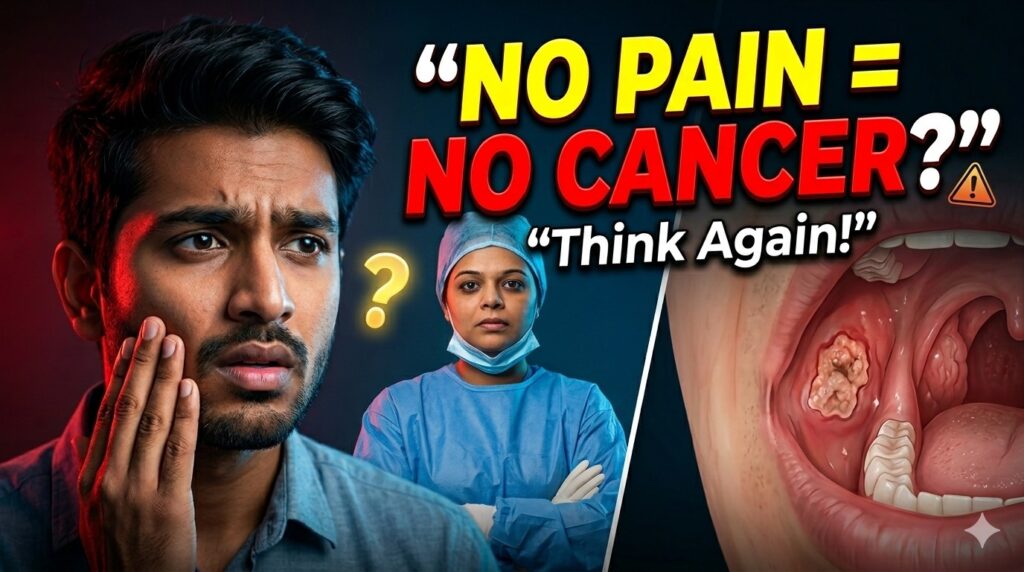
Most people believe that cancer always comes with pain. But the reality is quite different — mouth cancer can often
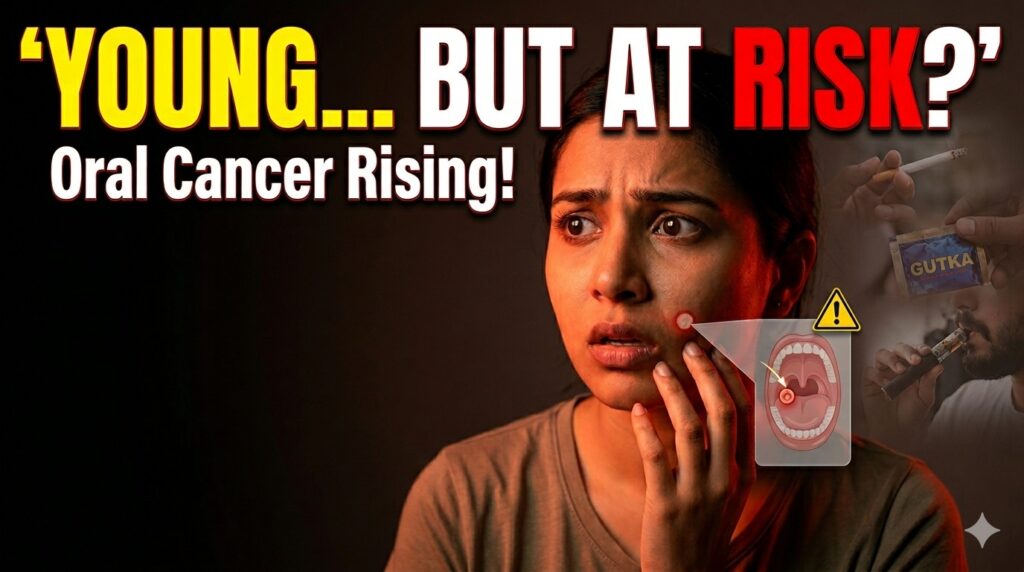
Oral cancer was once considered a disease affecting older adults. But today, an alarming shift is being seen young adults