

Restricted Mouth
Opening / Trismus
Difficulty opening your mouth can affect eating, speaking, oral hygiene and everyday comfort. The correct diagnosis helps determine whether the restriction is coming from the muscles, jaw joint, infection, trauma or surrounding tissues.
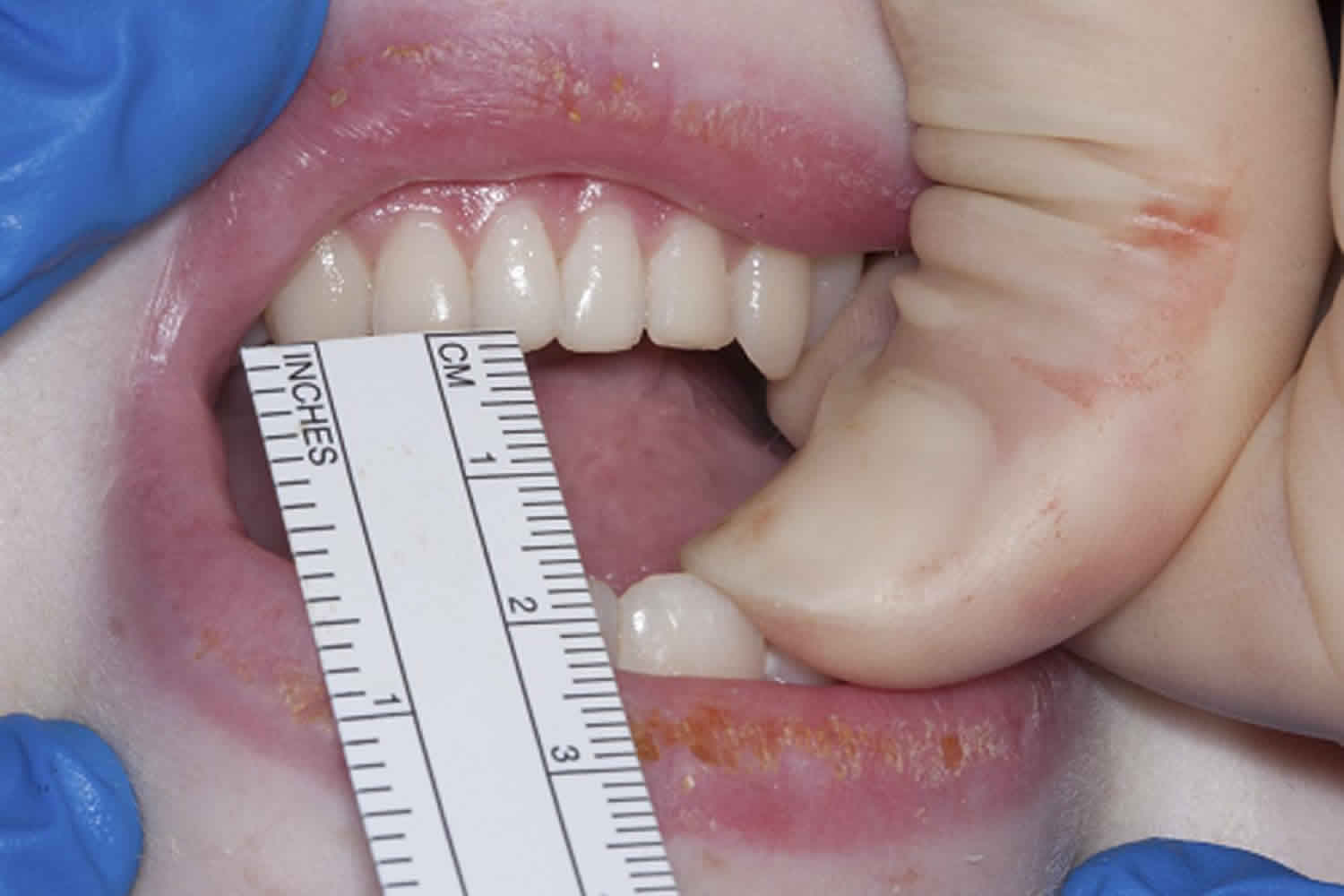
How Wide Can You Open Your Mouth?
Measuring jaw opening helps document restriction and monitor improvement during treatment.
Is your mouth becoming difficult to open?
What Is Trismus?
Trismus means restricted mouth opening. It can occur when the muscles, jaw joint or surrounding facial structures become painful, inflamed, stiff or mechanically restricted.
Some patients experience the problem suddenly, while others notice a gradual reduction in mouth opening over time.
It may affect eating, speaking, oral hygiene, dental treatment and normal daily activities.
Common Causes of Restricted Mouth Opening
Jaw restriction can arise from the temporomandibular joint, muscles, infection, trauma, scar tissue or treatment involving the oral and maxillofacial region.
TMJ Disorders
Joint inflammation, locking, arthritis or internal problems can interfere with normal jaw movement.
Dental or Facial Infection
Infection around the teeth or jaw may produce pain, swelling and muscle spasm.
Facial Trauma
Jaw fractures, facial injuries or trauma near the TMJ can reduce mouth opening.
After Oral Surgery
Temporary stiffness may develop after some dental or maxillofacial procedures.
Cancer Treatment
Surgery or radiotherapy involving the oral or head-and-neck region can sometimes contribute to reduced mobility.
Scar Tissue & Fibrosis
Fibrotic tissues may gradually reduce flexibility and restrict normal mouth opening.
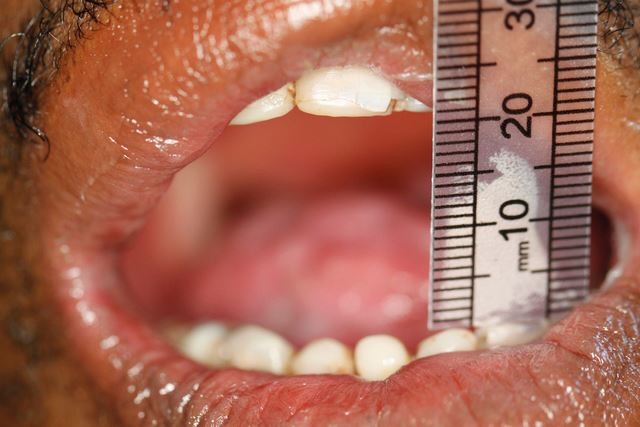
Finding Out What Is Restricting the Jaw
The examination considers more than the amount of opening. The jaw joint, muscles, pain pattern, deviation and associated symptoms are assessed together.
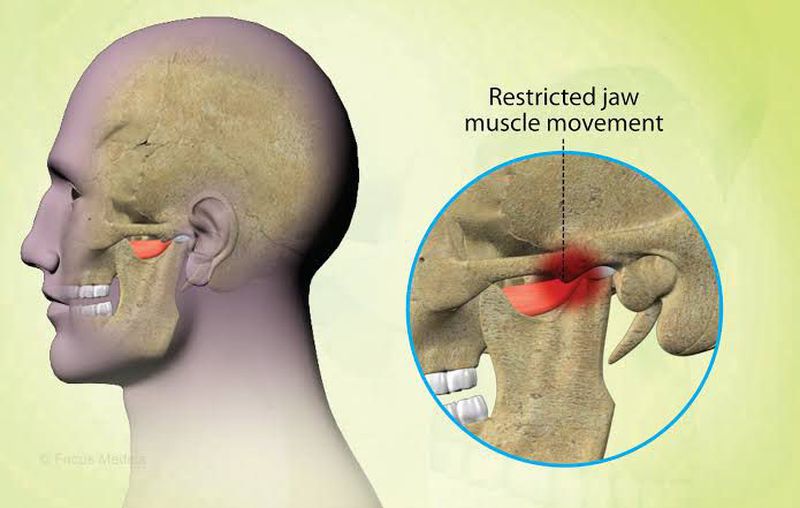
When Should You Seek an Evaluation?
Consider a specialist assessment when restricted opening persists, becomes painful or begins interfering with normal function.
Treatment Depends on the Cause of Trismus
Management is personalised according to the cause, severity and duration of restricted mouth opening.
Treat the Underlying Cause
Infection, inflammation, trauma or other identified conditions need appropriate treatment.
Pain & Inflammation Management
Medication and supportive measures may be advised depending on the diagnosis.
Jaw Physiotherapy
Selected patients may benefit from supervised mouth-opening and mobility exercises.
Surgery When Indicated
Structural joint problems, fibrosis or other surgical conditions may require intervention in selected cases.
Dr. Reena Yadav
Restricted mouth opening can arise from several conditions involving the jaw joint, facial muscles, infection, trauma or previous treatment.
Dr. Reena Yadav provides specialist assessment for jaw, TMJ and maxillofacial conditions to identify the underlying problem before treatment is planned.
Schedule Consultation